
Sports, Truth-Telling and the Olympics
Tuesday, December 2, 2025
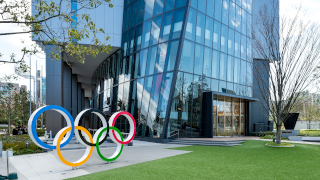
The Olympic Five Rings
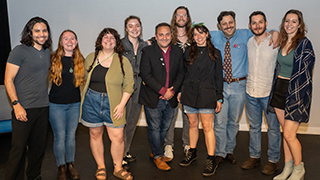
The College of Human Development, Culture and Media (CHDCM) held its fourth event on Tuesday, October 21 as part of the new “One College, One Exhibition” (OCOE) initiative. Titled “Sports, Truth-telling and the Olympics,” its purpose was to expand attendees' knowledge of highly influential athletic figures and activism in sports throughout time.
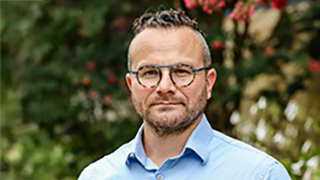
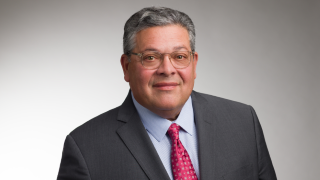
This OCOE event featured Senior Vice President of Olympics and Paralympics Production for NBC Sports Amy Rosenfeld, who is also serving as the Center for Sports Media’s Professional-in-Residence, as well as Seton Hall’s Executive Director of the Center for Sports Media, B.J. Schecter.
After ample time in the sports television industry with ESPN and currently NBC sports, Rosenfeld has joined Seton Hall with plans to co-teach a Live Sports Production course alongside Schecter. In reference to Rosenfeld's recent presence within the Center for Sports Media, Schecter noted, “Rosenfeld’s addition to the Center for Sports Media has really expanded horizons of learning for students, her plethora of experience has highly influenced many opportunities and lessons.”
To continue the CHDCM’s OCOE initiative in reflection of individuals that have stood boldly for change, Rosenfeld covered the intersections between sports, politics and media roles in exploring these topics. She began the discussion by addressing the growing responsibility of modern news producers as they face the decision to comment on political moments within sports coverage.
She highlighted Muhammad Ali for his long-lasting legacy and use of his platform to speak out on issues of race, justice and politics throughout his career. His experience of lighting the Olympic torch was emphasized as it served as a symbol of unity and courage and reinforced the use of his platform in sports as an activist.
This conversation served as a segue into Rosenfeld's discussion regarding Olympic athletes' use of their platform to share social and political issues. The tensions between athletic representation and political activism on a global stage were discussed in depth and ideas of current media responsibility in sports were introduced.
Rosenfeld explored how sports broadcasters navigate the intersections between sports coverage and political expression while emphasizing the challenge of balancing objectivity with the responsibility to tell the truth about such matters. In addressing this topic, Ali’s legacy was reflected upon to address how this activism would resonate in a modern setting.
Regarding the use of Ali’s story as a focal point for this OCOE, Schecter said, “There is no bigger truth teller in sports than Muhammad Ali. In his search for truth, he stood up for what he believed in with much sacrifice, and for that reason there is no one better to represent activism in sports as part of this exhibition.”
Categories: Arts and Culture, Athletics, Education